You stand somewhere stunning and everything pauses: the air feels sharp, your phone becomes irrelevant, and a landscape quietly rearranges your priorities. This list collects ten places that create that exact feeling—from jagged southern icefields to tiled temple lanes—combining dramatic scenery with deep cultural texture across continents.
Each entry pairs an evocative snapshot of why the location is unforgettable with actionable context: the best time to go, the type of traveller it suits, and a high-impact tip to make your visit count.
1. Patagonia, Argentina & Chile
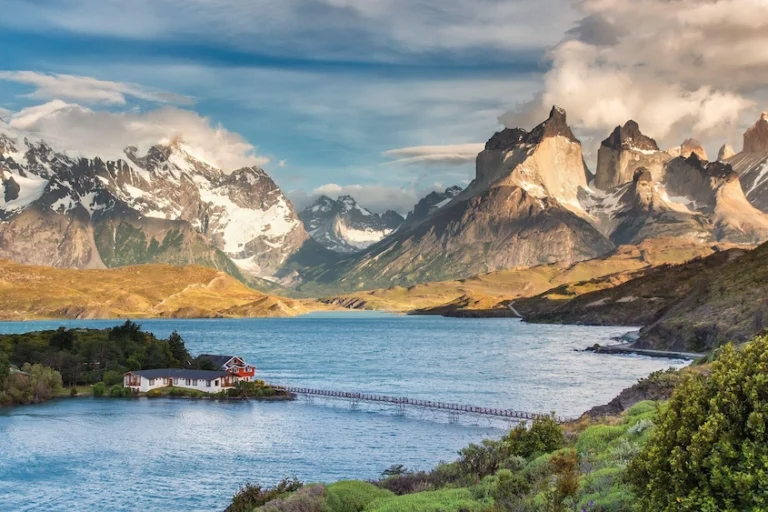
Torres del Paine’s granite spires, vast glaciers like Grey and Perito Moreno, and sweeping steppes create a sense of scale rarely matched anywhere on Earth. Trails open onto dramatic vistas: snow-capped peaks, turquoise glacial lakes, and ice-blue calving walls.
- Best time: Southern spring and summer (October–April) offer accessible trails and long daylight hours.
- Who it suits: Hikers looking for multi-day treks like the W and O circuits, though day-trippers can easily see highlights from lodges and short trails.
- Tip: Weather conditions shift rapidly; pack waterproof layers and book refugios or campsites months in advance for high season.
2. The Amalfi Coast, Italy
Cliffside villages like Positano and Ravello tumble toward turquoise Mediterranean water along a coastal road that alternates between hairpin drama and classic postcard views. Clear southern light makes the pastel houses glow against steep limestone rocks.
- How to get there: Fly into Naples or Rome, then take a train combined with a SITA bus or ferry along the coast; ferries offer the most scenic arrival.
- Avoid: Peak July and August crowds—late spring or September delivers warm water and quieter streets.
- Tip: Base yourself in a quieter town like Praiano or Minori and rely on local ferries for day trips to Amalfi, Positano, and Capri.
3. Ha Long Bay, Vietnam
Thousands of limestone karsts rise like emerald islands from calm waters in this UNESCO World Heritage site known for its striking geology and marine life. The soft layer of mist and dark silhouettes at dawn make it one of Southeast Asia’s iconic landscapes.
- Experience: Book an overnight cruise to see sunrise and sunset on the water—day trips barely scratch the surface.
- Pick wisely: Smaller, privately run boats provide quieter routes and more flexible itineraries than large tour vessels.
- Tip: Consider neighboring Lan Ha Bay or Cat Ba Island for the same dramatic scenery with far fewer crowds.
4. The Faroe Islands, Denmark
Volcanic cliffs and roaring waterfalls drop straight into the North Atlantic, surrounding quiet villages of turf-roofed houses. Carved by wind and sea over millennia, this remote archipelago offers a rare sense of solitude.
- Getting there: Reachable via limited flights (primarily from Copenhagen or Reykjavík) or long-distance ferry—the journey itself sets the tone.
- Why it’s special: Shifting weather creates dramatic, constantly changing light; iconic locations like Múlafossur Waterfall are often free of crowds.
- Tip: Rent a vehicle to navigate remote viewpoints efficiently, and leave buffer time in your schedule for weather-related delays.
5. Antelope Canyon, USA
Navajo sandstone carved by centuries of wind and water forms narrow slot canyons lined with swirling, wave-like patterns. When midday sunlight pierces the narrow gaps above, it casts brilliant shafts of light across the colorful rock walls.
- Upper vs Lower: Upper Antelope is flat, easy to walk, and famous for midday light beams; Lower Antelope is longer, narrower, and requires climbing sturdy ladders.
- Essential: Guided Navajo tours are required for entry—book months ahead, especially during peak season.
- Tip: Summer midday offers the famous vertical light beams, but early morning or late afternoon light yields richer colors and fewer crowds.
6. The Maldives
Shallow turquoise lagoons, coral atolls rich with marine life, and overwater bungalows define a state of total tropical calm. Extraordinary water clarity around outer reefs makes snorkeling feel like swimming through an open-water aquarium.
- Budget reality: While luxury private island resorts command high prices, local guesthouses on inhabited islands offer affordable stays and authentic community connections.
- When to go: November through April offers dry weather and peak water visibility; the monsoon season brings rain but drops accommodation rates.
- Tip: Choose an island or resort with an accessible house reef if snorkeling is your priority to save time and boat transfer fees.
7. Kyoto, Japan
Towering bamboo groves, serene Zen temples, and preserved wooden streets create a tranquil tapestry of traditional Japanese culture. While spring cherry blossoms draw millions, Kyoto’s historic landscape undergoes a stunning transformation in every season.
- When to visit: Spring brings blossom season, but autumn (mid-November to early December) offers vibrant crimson maple foliage and slightly cooler weather.
- Where to prioritise: The Arashiyama bamboo grove, Fushimi Inari’s torii gate trails, and the preserved lanes of the Gion district.
- Tip: Arrive at top sights by sunrise to beat the tour buses, and observe queue etiquette at sacred temple sites.
8. The Sahara Desert, Morocco
At Erg Chebbi near Merzouga, wind-sculpted sand dunes stretch toward the horizon like a golden ocean. As night falls, the desert delivers profound silence beneath an extraordinarily vivid, unpolluted night sky.
- Base town: Merzouga serves as the primary launching pad for camel treks and overnight desert camps.
- Trek logistics: Options range from brief sunset rides to multi-day guided excursions into traditional Berber camps.
- Tip: Pack warm thermal layers for night temperatures, which drop significantly, and choose tour operators that support local community guides.
9. Plitvice Lakes National Park, Croatia
Sixteen terraced lakes connected by cascading waterfalls flow into natural pools of brilliant blue and green. Raised wooden boardwalks weave directly over the water, offering clear views of the park’s intricate aquatic ecosystem.
- Crowd tips: Arrive right at opening or during late afternoon to bypass peak tour groups; visiting in shoulder seasons yields quieter trails.
- Route choices: Shorter boardwalk loops suit families, while longer hiking routes reach quieter upper lakes and larger waterfalls.
- Tip: Stay in a nearby village overnight and reserve park entry tickets online in advance to secure your preferred start time.
10. The Scottish Highlands, Scotland
Moody glens, ruined castles, and glass-like lochs carve across a wild landscape steeped in history. Low-hanging mist and shifting atmospheric light give iconic locations like Glencoe an unmistakable, cinematic character.
- Road trip routing: Drive the North Coast 500 (NC500) loop for an ideal self-drive exploration of remote coastal cliffs and mountain passes.
- Best time: Spring (April–May) and autumn (September–October) offer manageable weather, vibrant seasonal colors, and far fewer midges.
- Tip: Driving distances take longer than navigation apps estimate—allow extra travel time for narrow single-track roads and frequent photo stops.
How to Choose Where to Go First
Start by aligning three main factors: your overall budget, preferred travel style, and available time. If you have a short window, pick a single compact location rather than a sprawling regional route. If you are tracking expenses, choose destinations with affordable regional transit or travel during the shoulder season.
- Pick by style: Choose active trekking (Patagonia, Highlands), rich culture and heritage (Kyoto, Amalfi Coast), or total relaxation and marine wildlife (Maldives, Ha Long Bay).
- Commit early: Pick one destination and secure key reservations—flights, primary lodging, and required park permits—before building out daily details.
- Travel responsibly: Respect local access rules, stay on designated trails, and hire local guides to help support the communities protecting these fragile ecosystems.
Every destination on this list delivers that unforgettable moment where time stands still. Select the one that calls to you, handle the key logistics early, and leave open space in your itinerary for unexpected discoveries along the way.