Those images of wooden houseboats drifting through palm-fringed backwaters, elephant processions at temple festivals, and endless green tea estates didn’t lie. Kerala delivers. But the gap between a rushed, disappointing trip and one you talk about for years comes down to timing, local knowledge, and knowing which experiences are worth the hype. This guide covers the practical details you won’t find in glossy lists.
Kerala sits on India’s southwestern coast and experiences two rainy seasons: the southwest monsoon (roughly June–September) and a lighter northeast/retreating monsoon (October–November). Timing matters for weather, festivals, crowds and prices.
- December–February: Peak season — dry, pleasant days (mid-20s°C), easy walking and festivals. Book accommodation and Kathakali tickets weeks (or months) ahead in high season.
- March–May: Hotter and more humid, but far fewer tourists and lower rates. Good for quieter backwater trips and bargaining for houseboats.
- June–September (monsoon): Expect heavy rains. If you embrace the rain, the landscape is spectacular, Ayurvedic centres run intensive treatment packages, and prices drop. Plan indoor or short outdoor activities around weather windows.
- October–November: Variable — the retreating monsoon can still bring showers, but festival season ramps up and the countryside is lush.
The state festival Onam (August–September depending on the Malayalam calendar) brings boat races, flower carpets and the Onam Sadya feast — a memorable time to visit if you can align your trip.
The Backwaters
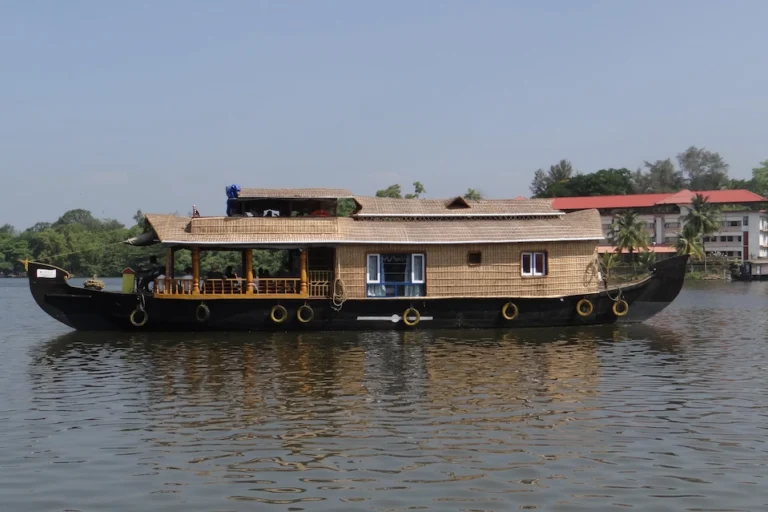
The Kerala backwaters are unforgettable, but the houseboat experience ranges from magical to mediocre depending on where you go and who you book with.
- Skip the floating traffic jam: Alleppey (Alappuzha) is the main hub and can be crowded. For a quieter, more scenic stay try Kumarakom or homestays in the Kuttanad rice-plain villages.
- Choose your craft: A kettuvallam (traditional thatched rice barge) can be very comfortable — check if it has private bathrooms, a generator or solar power, and whether meals are cooked fresh on board.
- Timing: One night on a houseboat is enough for most travellers; two nights lets you truly slow down. Aim for sunrise and sunset cruises for photography and village views.
- Cheap immersion: Take a public ferry (for example, Kollam to Alleppey) to see everyday life for a fraction of the price — it’s long but revealing.
- Practicalities: Bring insect repellent, sunscreen and some cash for small purchases. Ask before you drink the tap water on board; most operators supply bottled water.
Munnar
Munnar sits at roughly 1,600 metres in the Western Ghats. The drive up from Kochi is scenic — hairpin bends, waterfalls and a noticeable drop in temperature — but Munnar rewards slow exploration.
- Tea estate tours and tastings: Visit a working estate and join a guided processing tour rather than just photographing rows of bushes. Many estates offer tea-tasting sessions and simple worker-canteens where the food is excellent.
- Eravikulam National Park: Home to the endangered Nilgiri tahr. The park sometimes closes to protect fragile habitat during certain seasons; check current status before you go. The Neelakurinji flower that blooms every 12 years draws crowds when it occurs (bloom cycles vary).
- Top Station and nature walks: Sunrise views and “cloud sea” mornings are spectacular. Take short guided treks to avoid getting lost; weather can change quickly at elevation.
- Stay time: Two nights minimum to absorb the area; longer if you enjoy walking or tea tasting.
Kochi
Don’t treat Kochi (Cochin) as just a transit point. Fort Kochi and Mattancherry pack centuries of trade history, art and food into a compact area that rewards slow wandering.
- Walk Fort Kochi: Chinese fishing nets at the waterfront, St. Francis Church, the Indo-Portuguese architecture and street art within a few blocks.
- Jew Town and Mattancherry: Browse antiques, spices and the Paradesi Synagogue; visit Mattancherry Palace (Dutch Palace) for murals and local history.
- Performing arts: Book a Kathakali show and arrive early to watch the performers apply makeup — it’s part performance, part theatre backstage.
- Food and toddy shops: Sample karimeen pollichathu (pearl-spot fish) and local street dishes. Toddy (palm wine) shops offer an authentic local vibe — drink cautiously and respect house rules.
- Transport hub: Ernakulam Junction (South) and Ernakulam Town (North) are the main stations, and ferries connect Fort Kochi to the mainland — an inexpensive and pleasant short ride.
If your trip coincides with the Kochi-Muziris Biennale (typically December–April in Biennale years), plan extra time — the city becomes one of Asia’s most dynamic contemporary-art scenes.
Thekkady and Wildlife
Periyar Wildlife Sanctuary (Thekkady) centers on a large reservoir and protects elephants, tigers, gaurs and hundreds of bird species. Plan with patience and respect for wildlife.
- Boat safaris: Early-morning cruises give the best chance of sightings; late afternoon can also be productive. Sightings are never guaranteed — enjoy the landscape whether or not you spot big mammals.
- Guided hikes: Border and forest treks led by trained tribal guides (Mannans, Paliyans) require advance booking and permits through the Forest Department. They take you into quieter habitat than the lake routes.
- Spice plantations: Short guided walks through plantations explain how cardamom, pepper, cinnamon and vanilla grow — you’ll taste and smell the difference up close.
- Ethics: Never feed wildlife, keep noise down on trails and follow your guide’s instructions for safety.
Food: The Real Reason to Come
Kerala cuisine is coconut-forward, spice-rich and built around fresh seafood, vegetables and rice. Eat where locals eat and prioritise small, family-run places for best results.
- Must-tries: Appam with stew (coconut-milk stew), puttu and kadala curry (steamed rice cakes with black chickpeas), Kerala prawn curry, and a full sadya — the traditional vegetarian banana-leaf feast.
- Street and homestyle food: Look for busy local eateries — turnover is your best freshness indicator. Try beef fry, banana chips, and local snacks sold at toddy shops and small cafes.
- Dining etiquette: Sadya is eaten with the right hand; shoes off in many simple eateries; ask if dishes are coconut-milk heavy if you’re not used to that profile.
- Food safety: Drink bottled water, eat freshly cooked foods, and wash fruit where possible. Carry oral rehydration salts if you’ll be traveling in hot months.
Kerala is relatively easy to navigate, but a few practical steps will make travel smoother.
- Getting there: Cochin International Airport (COK) is the main international gateway. Trivandrum (Thiruvananthapuram) serves the southern end (Kovalam, Varkala).
- Getting around: For multi-day itineraries (Kochi–Munnar–Thekkady–Alleppey), hiring a car with a driver is the most convenient option — drivers know the roads and local timing. Negotiate inclusions (fuel, tolls, parking) in advance.
- Public transport: Trains and state buses connect major towns; ferries are cheap and scenic. Tuk-tuk fares should be agreed before you ride.
- SIMs and connectivity: Airtel and Jio have strong coverage. Bring your passport and a photocopy for SIM registration at the airport or local stores.
- Money and cards: ATMs are common in towns; carry cash for rural areas, small shops and houseboat crews. Prices are often quoted in rupees — not other currencies.
- Visas and health: Many nationalities can apply for an Indian e-visa; check current rules for your country. Carry comprehensive travel insurance, and check routine vaccinations before you go.
- Ayurveda: If you want authentic treatments, choose a recognised clinic staffed by qualified practitioners (vaidya), not just hotel spas. Ask for a consultation and treatment plan before booking.
- Respect and dress: Remove shoes at temples, cover shoulders and knees where requested, and follow signage about photography and inner-sanctum access.
- Packing highlights: Lightweight rain jacket (monsoon), a warm layer for hill stations, good walking shoes, mosquito repellent, sunscreen and a universal plug adapter.
- Time to stay: Ten days gives a solid introduction; two weeks lets you slow down and explore beyond the main circuits. Resist squeezing in too many destinations — Kerala rewards slowness.
Travel Tips
Some quick, actionable things you can do before you go or on arrival that improve your trip immediately:
- Book houseboats and popular homestays in peak season well in advance.
- Reserve Kathakali and Periyar boat-safari slots the day you arrive in Kochi or Thekkady, respectively.
- Carry small-denomination cash for tips, ferry rides and roadside snacks.
- Download offline maps and the local language script (Malayalam) to help read signs and menus.
- Respect local rhythms — mornings are for markets and backwater life; late afternoons for quiet walks and tea.
Kerala looks like photos, but it rewards the traveller who slows down, asks questions, and leans into local rhythms. Plan the essentials, leave space for serendipity, and you’ll come back with stories — and recipes.